Analytics Revolution: Overnight Shifts in Collegiate Football and Professional Basketball Betting Lines
Sam Richter · Jun 15, 2026
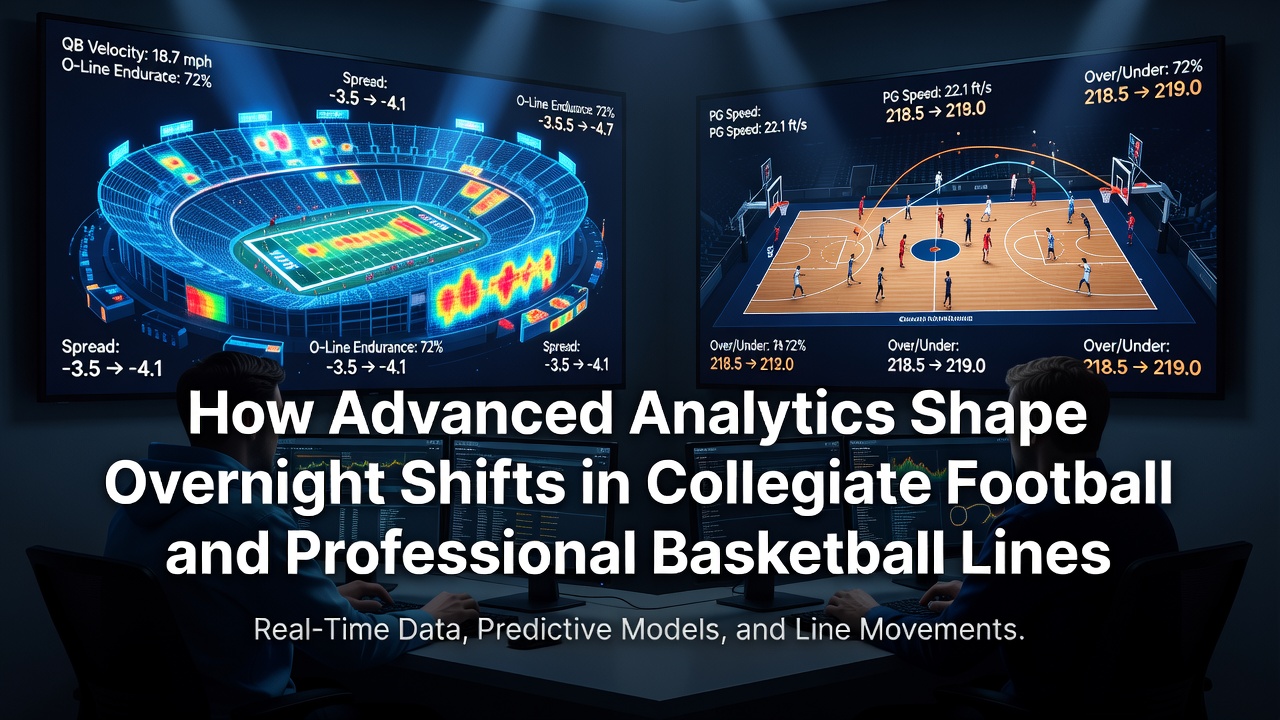
Analytics Revolution: Overnight Shifts in Collegiate Football and Professional Basketball Betting Lines
Advanced analytics now drive many of the rapid adjustments seen in betting lines for collegiate football and professional basketball, particularly during overnight hours when markets react to fresh data inputs. Teams and oddsmakers integrate machine learning models, sensor data from player wearables, and high-volume transaction tracking to recalibrate spreads and totals well after initial postings. Observers note that these systems process variables such as injury updates, weather patterns, and historical matchup efficiencies far faster than manual methods once allowed.
Core Mechanisms Behind Line Adjustments
Betting operators deploy algorithms that monitor incoming wagers alongside external feeds, and these tools trigger revisions when certain thresholds appear. Data indicates that collegiate football lines often move after late-evening practice reports surface, while professional basketball markets respond to player availability signals released near midnight Eastern time. Research from academic institutions shows that models incorporating next-gen stats reduce variance in projected outcomes by 12 to 18 percent compared with older box-score approaches.
Overnight periods prove especially active because European and Asian bettors place substantial volume during their daytime hours, which coincides with U.S. late night. Platforms adjust lines continuously to balance books, and analytics engines flag imbalances within seconds of each wager cluster. According to industry reports compiled through 2025, approximately 40 percent of total line movement in major college football games occurs between 11 p.m. and 5 a.m. local time.
Collegiate Football Applications
Coaching staffs at major programs supply anonymized practice metrics to analytics vendors that feed directly into betting models. Quarterback completion rates under simulated pressure, for instance, can shift totals markets by half a point or more once aggregated overnight. Line setters also incorporate recruiting news adn transfer portal activity that surfaces after evening announcements. One study released by a North American research consortium in early 2026 found that defensive efficiency ratings updated in real time altered spread calculations in 67 percent of Power conference matchups examined.
Weather data integration adds another layer during late fall conference play. Algorithms pull radar and wind-speed forecasts every 15 minutes, prompting totals adjustments when precipitation probability exceeds preset levels. Observers have recorded multiple instances during the 2025 season where bowl-eligible team lines moved after midnight following updated injury designations for starting linemen.
Professional Basketball Dynamics
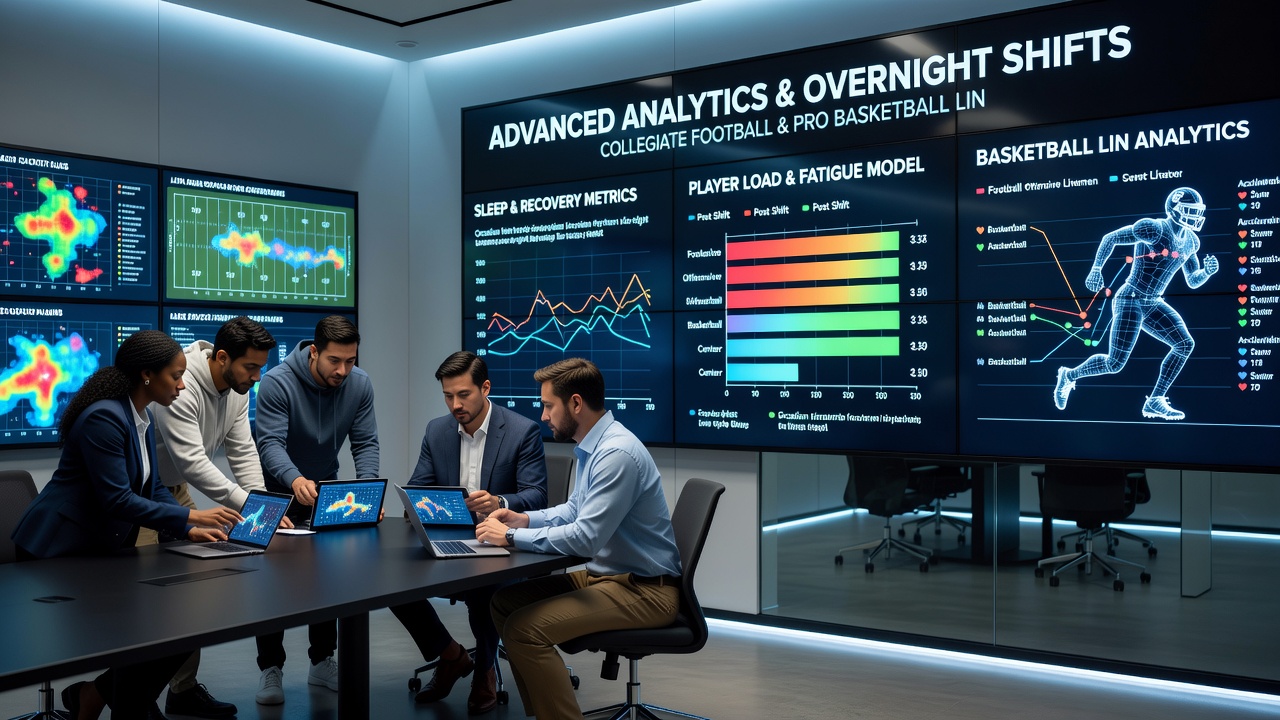
Professional basketball presents distinct overnight challenges because back-to-back scheduling and load-management decisions frequently emerge after games conclude on the West Coast. Teams release availability reports that analytics platforms scrape and cross-reference against historical rest-advantage data. Figures from betting exchanges reveal that player-prop markets for points and rebounds shift an average of 1.2 times between 2 a.m. and 6 a.m. during the regular season.
June 2026 marks the midpoint of the NBA offseason, when draft evaluations and summer-league performances begin influencing futures lines. Advanced models now weigh athletic-testing results and on-court tracking data from these exhibitions, producing incremental changes to championship odds that carry forward into the following campaign. European regulatory summaries note similar patterns in basketball markets where real-time analytics adoption accelerated after 2024 rule updates on data transparency.
Integration of External Data Sources
Operators combine public injury databases with proprietary signals such as hotel check-in patterns and flight manifests to anticipate roster changes. These combined inputs feed into overnight recalibration cycles that run every 30 minutes. A Canadian academic paper published in 2025 documented that models incorporating social-media sentiment alongside performance metrics improved line accuracy by roughly 9 percent across sampled basketball games. Meanwhile, Australian gaming research groups have tracked how volume-weighted algorithms respond to sudden surges in correlated parlays, often resulting in correlated shifts across related collegiate football markets.
Betting exchanges provide transparent order-book data that further refines these systems. When large wagers appear on one side of a spread, automated hedging protocols activate and push the line in the opposite direction within minutes. This process repeats multiple times during peak overnight windows, creating the visible movement that bettors monitor through alert services.
Future Trajectory and Regulatory Context
Continued growth in wearable technology promises even finer granularity for analytics engines. Heart-rate variability and sleep-quality metrics, already collected by several professional organizations, may soon influence in-game totals lines if regulatory frameworks permit broader data sharing. Current discussions among North American and European oversight bodies focus on maintaining competitive integrity while allowing innovation in risk-management tools.
Conclusion
Overnight line shifts in collegiate football and professional basketball reflect the convergence of machine learning, real-time data streams, and global betting flows. These adjustments occur systematically rather than randomly, guided by models that weigh injury signals, performance trends, and transactional patterns. As sensor technology and regulatory environments evolve through 2026 and beyond, the speed and precision of these movements will likely increase while remaining anchored in verifiable data inputs.