Economic Indicators Driving Shifts in NBA Wagering Market Lines
Katja Albrecht · Jul 17, 2026
Economic Indicators Driving Shifts in NBA Wagering Market Lines
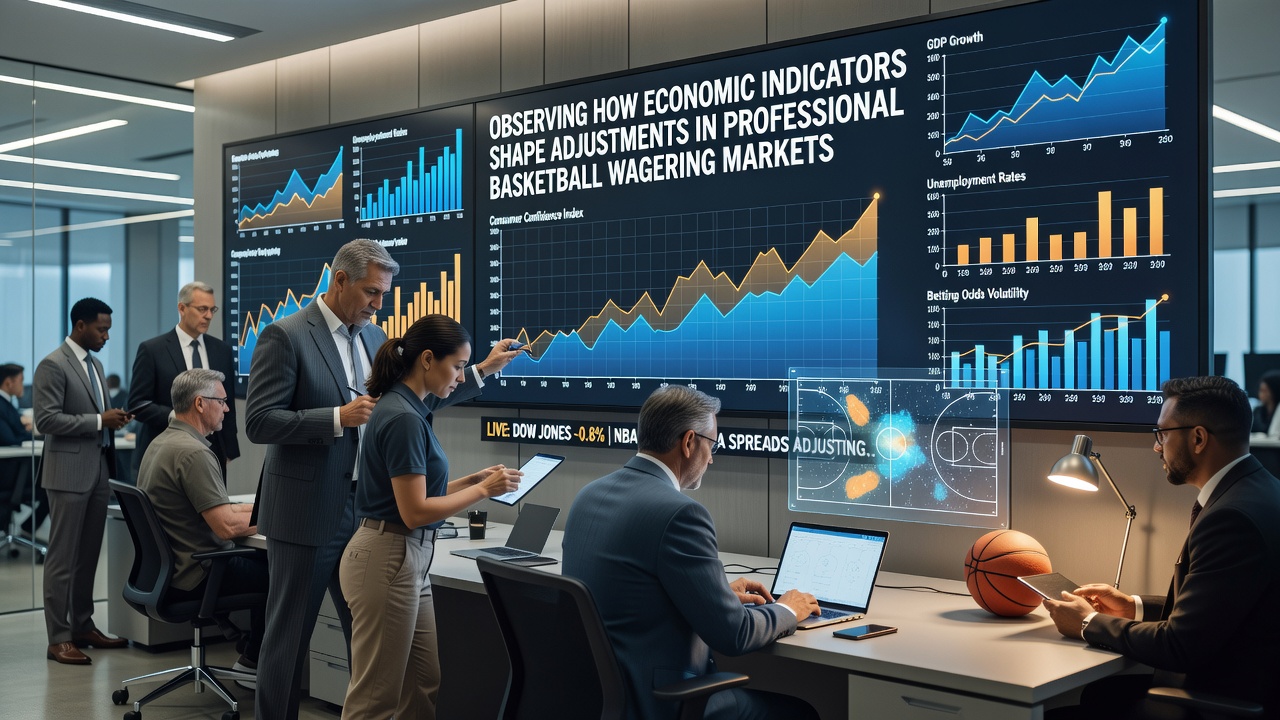
Professional basketball wagering markets respond to a range of macroeconomic signals that alter both bettor behavior adn oddsmaker adjustments throughout the season and off-season periods. Observers note that indicators such as gross domestic product growth rates, unemployment figures, and consumer price index readings often correlate with changes in betting volumes and line movements across major sportsbooks. Data from the US Bureau of Economic Analysis shows how quarterly GDP releases in early 2026 preceded measurable shifts in NBA futures markets during the months that followed.
Core Economic Metrics and Market Responses
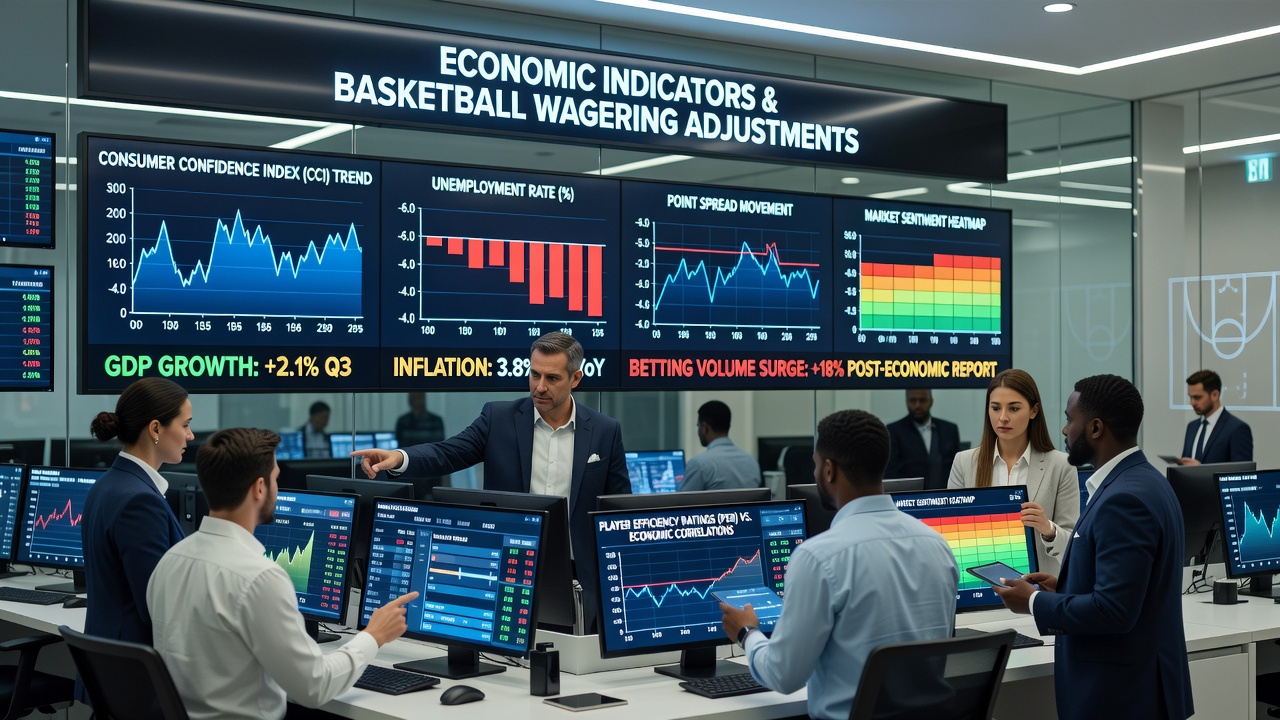
Analysts track several primary indicators that influence liquidity and pricing in basketball betting pools. Unemployment data released by government agencies frequently precedes adjustments in total betting handle because employment levels affect discretionary spending among regular wagerers. Inflation metrics similarly shape risk tolerance since rising costs for everyday goods tend to reduce the portion of household budgets allocated to entertainment activities including sports betting. Researchers at institutions like the OECD have documented these patterns across multiple North American leagues where consumer confidence surveys align with subsequent drops in average bet sizes.
Interest rate decisions by central banks add another layer because borrowing costs influence the broader financial environment in which betting operators and sharp bettors operate. When rates rise market participants often observe tighter spreads and reduced promotional offers from sportsbooks as operators manage their own capital exposure. Figures released in July 2026 illustrated this connection when Federal Reserve policy announcements coincided with noticeable recalibrations in NBA championship futures across several major platforms.
Seasonal Patterns and Off-Season Adjustments
Basketball markets exhibit distinct reactions during summer months when economic reports intersect with free agency periods and draft preparations. Consumer spending data released mid-year frequently signals whether betting activity will accelerate once the regular season begins. Those who monitor these releases find that positive retail sales figures often precede increased handle on player prop markets while weaker numbers correlate with more conservative wagering on game totals. Studies from academic sources such as the University of Toronto's sports analytics programs have examined these seasonal correlations using historical datasets spanning multiple NBA cycles.
International economic conditions also feed into domestic basketball markets because many betting operators maintain global customer bases. Currency fluctuations and trade balance reports from regions outside the United States can affect the flow of funds into North American sportsbooks particularly during periods of economic uncertainty. Observers have recorded instances where stronger foreign exchange rates for certain currencies preceded higher volumes from international bettors targeting NBA playoff series.
Data Sources and Observed Correlations
Multiple agencies provide the raw numbers that analysts cross-reference with betting market data. Statistics Canada releases employment and inflation figures that sometimes mirror patterns seen in US markets while the Australian Bureau of Statistics offers comparative benchmarks for how similar indicators affect wagering in other professional leagues. Industry reports from research firms further supplement these government datasets by tracking real-time changes in betting line movement following major economic announcements. One study released in 2025 highlighted a consistent lag of approximately 48 hours between key indicator releases and subsequent oddsmaker adjustments in basketball futures.
Market makers incorporate these signals into their models because economic conditions influence both the supply of betting capital and the demand for particular wager types. During periods of economic expansion lines tend to move more aggressively in response to early season results whereas contractionary signals often produce slower adjustments as operators wait for clearer patterns. Those tracking July 2026 data releases noted that preliminary consumer confidence readings prompted several sportsbooks to widen certain player performance markets ahead of training camp.
Conclusion
Economic indicators continue to serve as leading signals for adjustments across professional basketball wagering markets because they directly affect both operator risk management and bettor participation levels. Government statistical agencies and academic research groups supply the foundational data that market participants monitor throughout the calendar year. Patterns observed in 2026 reinforced the established relationship between macroeconomic releases and subsequent line movements while highlighting the value of integrating these indicators into ongoing market analysis.