Exploring Recurring Trends in Futures Markets for League Championship Events
Katja Albrecht · Aug 21, 2026
Exploring Recurring Trends in Futures Markets for League Championship Events
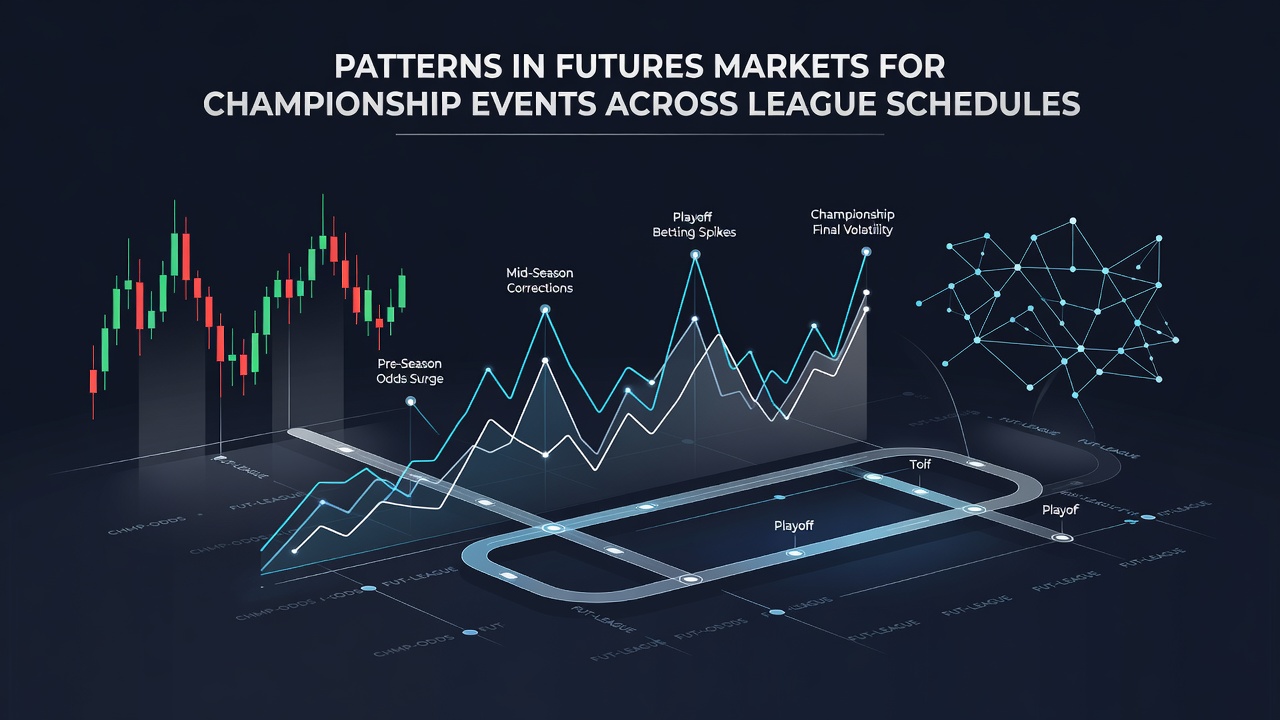
Championship futures markets operate across professional leagues with distinct calendar structures that shape how bettors and oddsmakers adjust prices throughout the year, and observers note consistent movements tied directly to schedule releases, strength of opponents, and rest advantages built into each circuit. Data from multiple seasons shows early futures lines often reflect roster continuity and prior performance while mid-season shifts align with cumulative win totals and injury reports that cascade through remaining games.
Schedule Construction and Early Market Adjustments
League offices release full schedules months in advance, which creates an initial wave of futures activity because teams receive measurable advantages or disadvantages in travel, back-to-back games, and divisional matchups; researchers tracking NBA and NHL calendars have documented how teams with lighter December road trips tend to see their championship futures improve within days of schedule publication. August 2026 schedules for several major leagues are already circulating among analysts, and early indications point to expanded international games that alter projected rest patterns for contending clubs.
Those who monitor futures across the NFL, MLB, and NHL observe that markets price in schedule difficulty more aggressively once the full slate becomes public, whereas pre-schedule futures rely more heavily on historical franchise strength and front-office spending. One study released by the Journal of Sports Economics examined ten years of data and found measurable correlations between a team's projected strength of schedule and the rate at which its futures odds shortened or lengthened during the first month after release.
League-Specific Calendar Effects on Futures Movement
Each league's unique structure produces different rhythms in championship futures. The NBA's 82-game slate includes multiple four-in-five-nights stretches that amplify fatigue effects, and data compiled by league statisticians shows teams with favorable All-Star break positioning often experience futures price compression between January and March. MLB futures, by contrast, move more gradually because the 162-game season dilutes short-term variance, although September roster expansions and playoff seeding races create late volatility that traders track closely.
The NHL's compressed travel calendar and frequent back-to-backs generate sharper mid-season swings in Stanley Cup futures, particularly when Eastern Conference teams face extended Western swings. Observers tracking these patterns note that clubs with the fewest games played by the Olympic break have historically seen their futures improve at a faster clip once the calendar resets, a dynamic visible in multiple recent seasons.
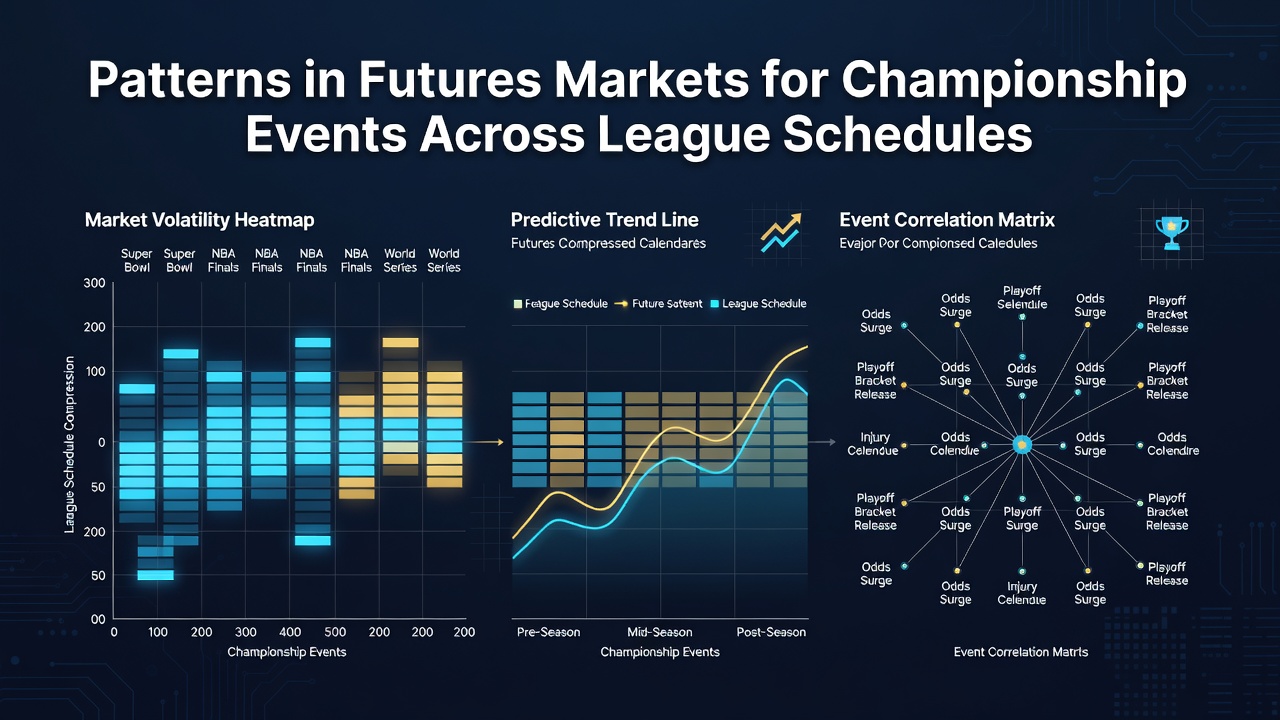
Cross-league comparisons reveal that leagues with earlier playoff qualification deadlines experience more pronounced futures stabilization once teams clinch or fall out of contention, whereas circuits with longer regular seasons maintain broader market interest deeper into the calendar.
Data Patterns Across Multiple Seasons
Longitudinal records maintained by industry research groups indicate that futures markets for repeat championship contenders often tighten during the summer months when front offices complete roster moves, then widen again once training camp injuries surface. August 2026 training camp reports are expected to influence early NFL futures lines in similar fashion, given the league's reliance on depth chart stability for projecting Super Bowl probabilities.
Figures released by the Canadian Gaming Association highlight how schedule-driven rest advantages correlate with improved futures performance in both the NBA and NHL over five-year windows, while MLB data shows a smaller but still measurable effect tied to travel distance between day games after night games. These patterns hold across conferences and divisions, suggesting the underlying mechanics are structural rather than team-specific.
External Factors Interacting with Schedule Patterns
Weather disruptions, labor negotiations, and broadcast scheduling changes occasionally overlay additional volatility onto futures markets, yet researchers find that core schedule metrics remain the dominant driver of sustained price movement. A report from the Australian Institute of Sport Analytics examined how international tournament breaks affect European and North American league futures and concluded that teams returning from extended absences often experience temporary futures softening before performance data accumulates again.
Those monitoring global markets note that regulatory updates in various jurisdictions can indirectly influence liquidity in championship futures, although the underlying schedule-driven patterns persist regardless of betting volume fluctuations.
Conclusion
Patterns in futures markets for championship events continue to reflect the interaction between fixed league calendars and variable team performance, with schedule releases serving as primary catalysts for price adjustments across multiple sports. Continued observation of these dynamics through August 2026 and beyond will likely reinforce the measurable connections between calendar construction, rest allocation, and long-term futures movement documented in existing datasets.