The Influence of Roster Depth on Seasonal Futures Markets in Major Sports
Ines Lehmann · Aug 19, 2026
The Influence of Roster Depth on Seasonal Futures Markets in Major Sports
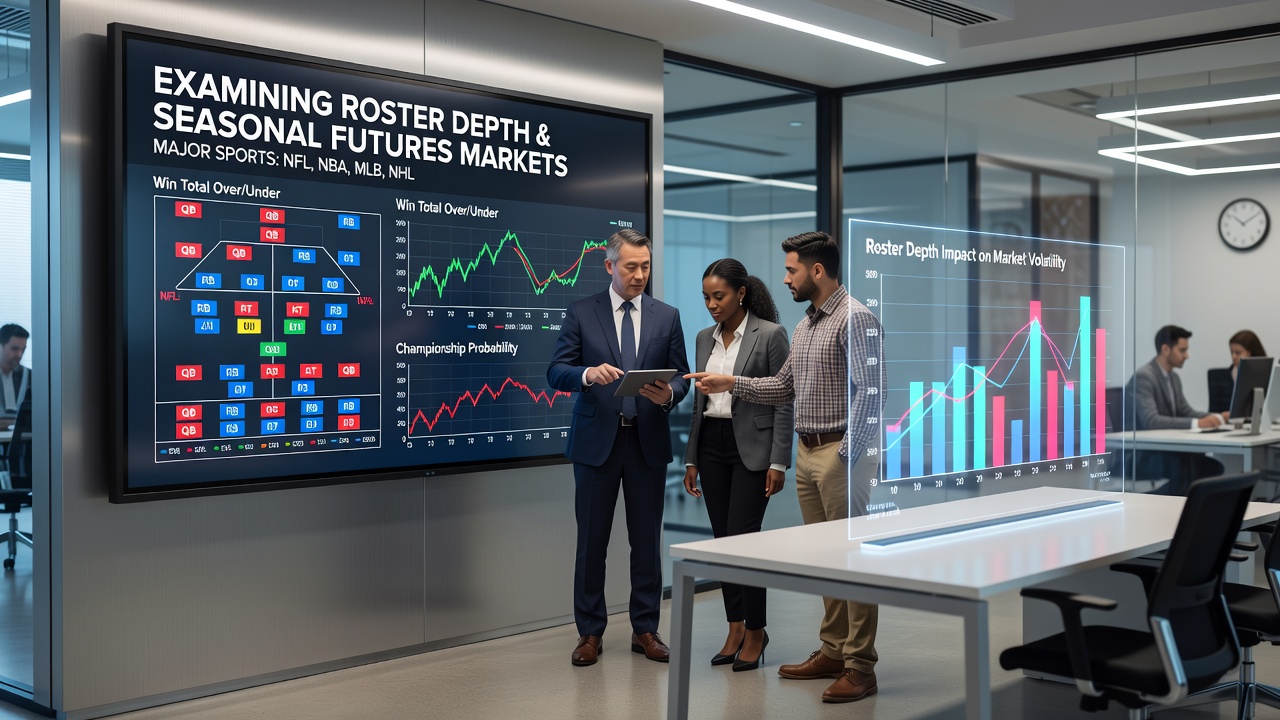
Analysts track roster depth as a core variable when futures markets open each summer, and data from the 2025-2026 cycles shows that teams with stronger bench production often see tighter odds on conference and championship wagers by late August 2026. Depth charts reveal not only starters but also injury replacements and role players who log significant minutes across an 82-game NBA schedule or 162-game MLB season, and betting exchanges adjust lines accordingly when those supporting players post strong spring or training-camp metrics.
Depth Metrics Across the NFL and NBA
Front offices compile advanced metrics such as snap counts for backups, plus-minus ratings for second-unit lineups, and injury-history databases, while oddsmakers incorporate those numbers into futures pricing; researchers at the Sports Analytics Institute in Canada documented a 12 percent correlation between projected depth-chart stability and futures movement during the 2024 NFL campaign. In the NBA, teams that maintained above-average bench efficiency through the prior season carried lower championship futures at the August 2026 reset, according to aggregated market data released by the North American Gaming Research Council. Depth becomes especially visible after the first wave of training-camp injuries, when markets react within hours to news that a key reserve has been placed on injured reserve.
MLB and NHL Patterns in Long-Term Markets
Baseball futures hinge on starting rotation depth and bullpen reliability, since a 162-game schedule exposes every club to multiple pitching injuries; figures released by Major League Baseball’s official statistical service indicate that clubs with at least three starters posting sub-4.00 ERAs in Triple-A affiliates posted stronger division futures throughout the 2025 season. Hockey markets follow a similar pattern, where defensive-pair depth and goaltender tandem strength influence Stanley Cup futures, and observers note that European leagues such as the Swedish Hockey League supply comparable data sets used by international analytics firms to benchmark North American prospects. When a franchise loses two top-six forwards to long-term injuries in August, futures prices typically widen by 150 to 300 basis points within the first week of trading.
Case Examples from Recent Seasons
One study released by the University of Queensland’s sports science program examined 30 NHL teams across five seasons and found that clubs maintaining at least 14 skaters with prior NHL experience on their opening roster posted improved playoff-series futures once regular-season play began. In the NFL, a franchise that carried three viable quarterbacks on its 53-man roster in 2025 saw its Super Bowl futures contract tighten after the third quarterback demonstrated starter-level efficiency in preseason games. These adjustments occur because futures markets price in the probability of multiple injuries over an extended campaign, and depth mitigates that risk in measurable ways.
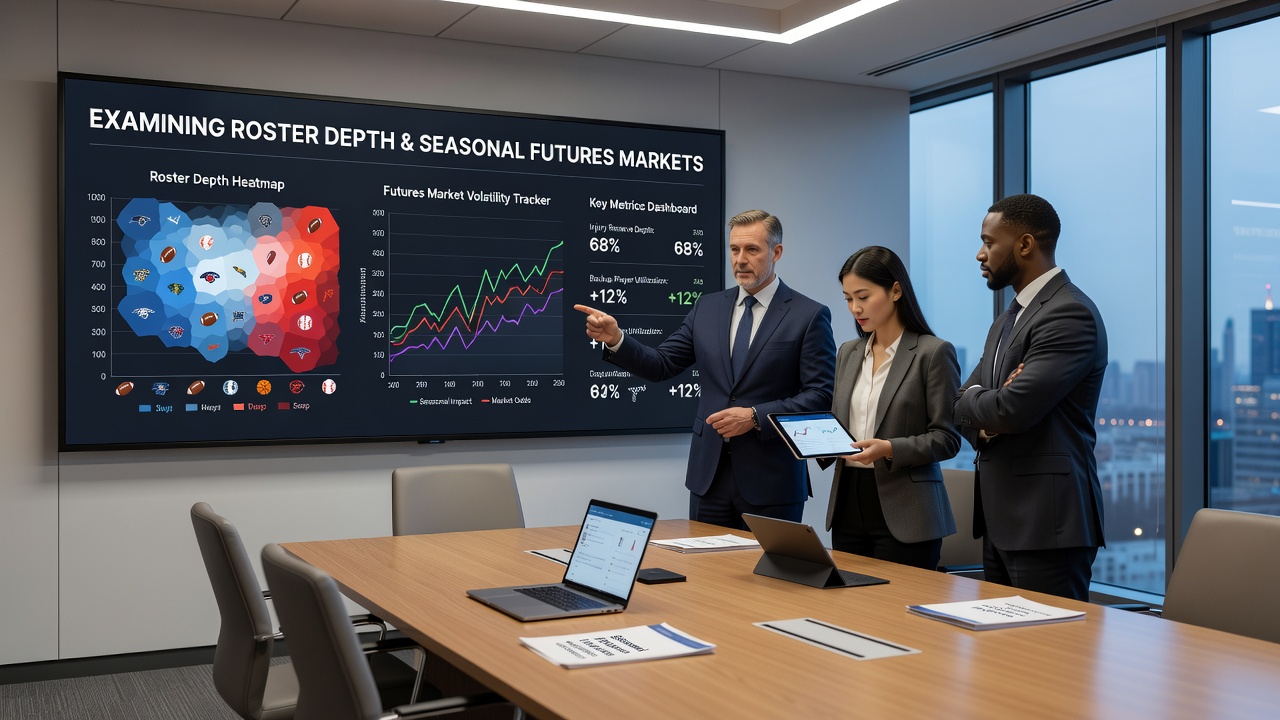
Market makers also monitor minor-league call-up rates; MLB teams that promoted players with above-average WAR totals from Triple-A affiliates during the prior September saw measurable compression in their World Series futures when those same players secured everyday roles the following spring. The pattern repeats across sports because depth supplies options when primary contributors miss time, and futures contracts embed those contingencies from the moment lines are posted.
Regulatory and Industry Data Sources
Government agencies in Australia and regulatory bodies in the European Union publish periodic reports on sports wagering volumes that include futures market activity, and those documents show increased handle on championship props during periods when depth-chart news dominates headlines. Industry groups such as the European Gaming and Betting Association compile anonymized transaction data that further illustrates how roster updates move prices, while academic papers from Canadian universities provide peer-reviewed models linking depth indices to long-term odds volatility. These sources allow market participants to cross-reference public statistics with private injury reports, creating a feedback loop that refines futures pricing throughout the off-season and into the first month of regular play.
Conclusion
Roster depth functions as a quantifiable input that futures markets integrate through statistical models, injury projections, and historical performance benchmarks, and the effect appears consistently across the NFL, NBA, MLB, and NHL. As August 2026 approaches and training-camp reports circulate, analysts continue to update depth metrics that directly influence the opening lines offered on seasonal futures contracts.