Tracking Public Bets Versus Professional Wagers in Football and Baseball Markets
Iris Krause · Jun 22, 2026
Tracking Public Bets Versus Professional Wagers in Football and Baseball Markets
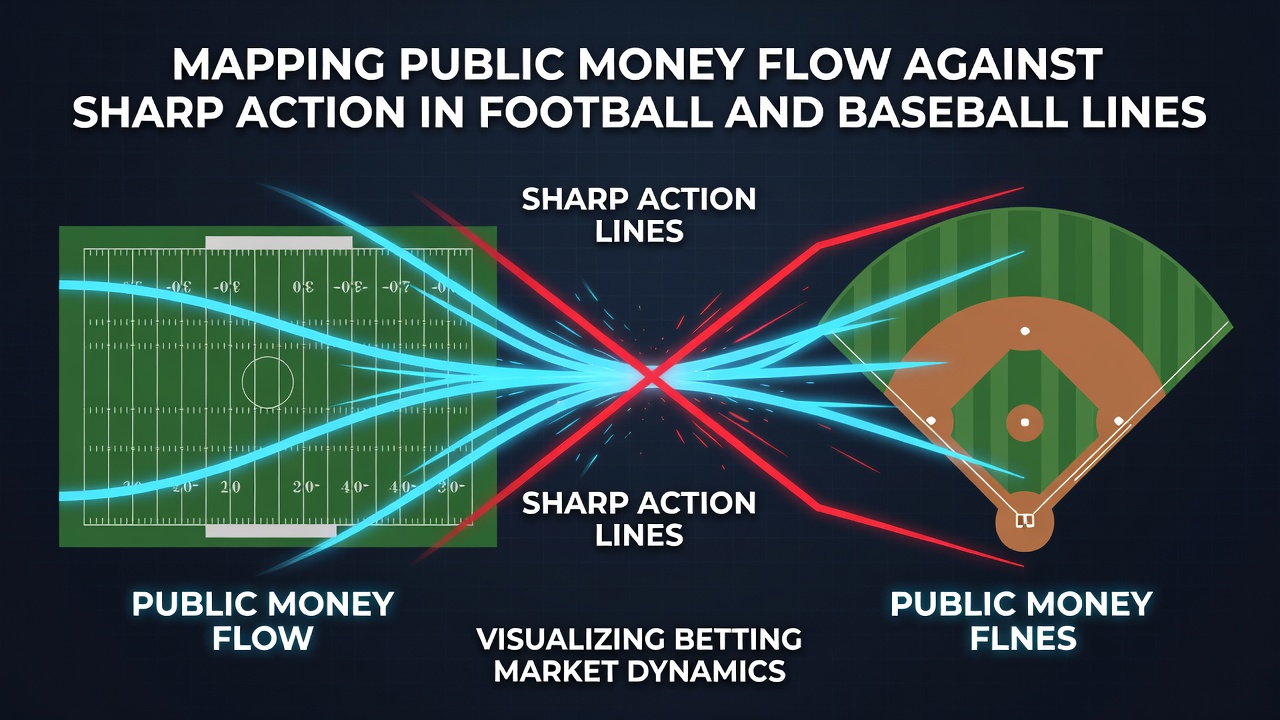
Public money and sharp action represent two distinct streams that shape betting lines in football and baseball, and mapping their interaction reveals how oddsmakers adjust spreads, totals, and moneylines throughout the week. Observers note that recreational bettors tend to pile onto favorites and overs, while professional players target inefficiencies created by that volume, and the resulting tension moves numbers in measurable ways across both sports.
Defining the Two Streams of Action
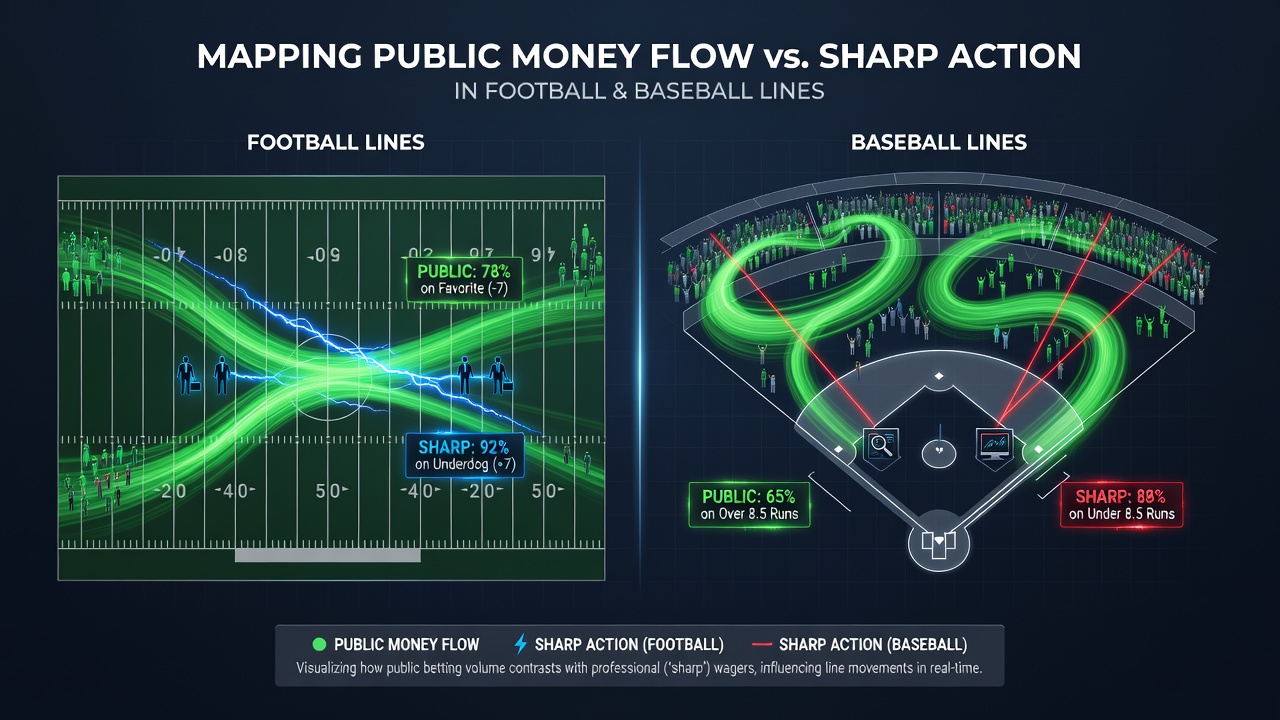
Public money arrives from casual participants who often bet based on team popularity, media narratives, or simple trends, whereas sharp action stems from bettors who use advanced models, injury data, and line history to identify value. Data from sportsbooks shows that these two groups rarely align on the same side of a market, and when they do collide the line movement accelerates. In football, sharp bettors frequently fade public favorites in divisional matchups where motivational edges exist, while in baseball they exploit pitcher-specific totals that recreational bettors overlook.
How Lines Respond in Football
Football lines open on Sunday night or Monday and face steady public pressure through the week, yet sharp money typically arrives later, often on Thursday or Friday, once injury reports stabilize. Researchers tracking line movement have found that when public money pushes a spread beyond key numbers such as three or seven, sharp bettors step in on the opposite side and pull the number back, creating a measurable reversal pattern. Those who monitor betting percentages report that sharp action in NFL games frequently lands on underdogs receiving points after the total has already climbed on public overs.
Patterns Observed in Baseball Markets
Baseball presents a different rhythm because daily lineups and starting pitchers create fresh markets each afternoon. Public bettors gravitate toward aces and high-scoring offenses, pushing run totals upward, yet sharp players often take the other side once bullpen usage and weather data become clear. Studies of MLB betting data indicate that sharp money concentrates on first-five-inning totals and run lines rather than full-game moneylines, and this focus produces distinct line movement signatures compared with football. When public money exceeds sixty percent on the favorite in an interleague contest, sharp action frequently appears on the underdog plus the run line within hours.
Tools Used to Map the Flow
Oddsmakers and analysts rely on betting-percentage data, steam moves, and reverse line movement to separate the two streams. According to reports issued by the Nevada Gaming Control Board, sharp action often produces rapid line shifts of half a point or more within minutes, whereas public money creates slower, steadier drifts. Observers combine these signals with ticket counts and dollar amounts wagered to estimate the professional share of the handle, and the resulting maps help books manage risk across both football and baseball schedules.
June 2026 Market Context
By June 2026 the baseball season sits at its midpoint while football offseason activities influence future betting markets, and sharp bettors already position themselves on futures and division odds where public interest remains light. Data collected during this period shows continued divergence between the two groups, with recreational volume concentrated on star-driven props and sharp money focused on undervalued team totals. Regulatory filings from the Ontario Lottery and Gaming Corporation confirm that handle splits between public and professional segments remain consistent with historical patterns observed in prior seasons.
Conclusion
Mapping public money against sharp action provides a practical framework for understanding line movement in football and baseball, and the patterns that emerge help explain why certain spreads and totals shift in predictable directions. Those who study these flows gain clearer insight into how markets balance the volume of casual bets against the precision of professional wagers throughout each season.