Weather Patterns Influencing Run Totals in MLB Summer Games
Iris Krause · May 22, 2026
Weather Patterns Influencing Run Totals in MLB Summer Games
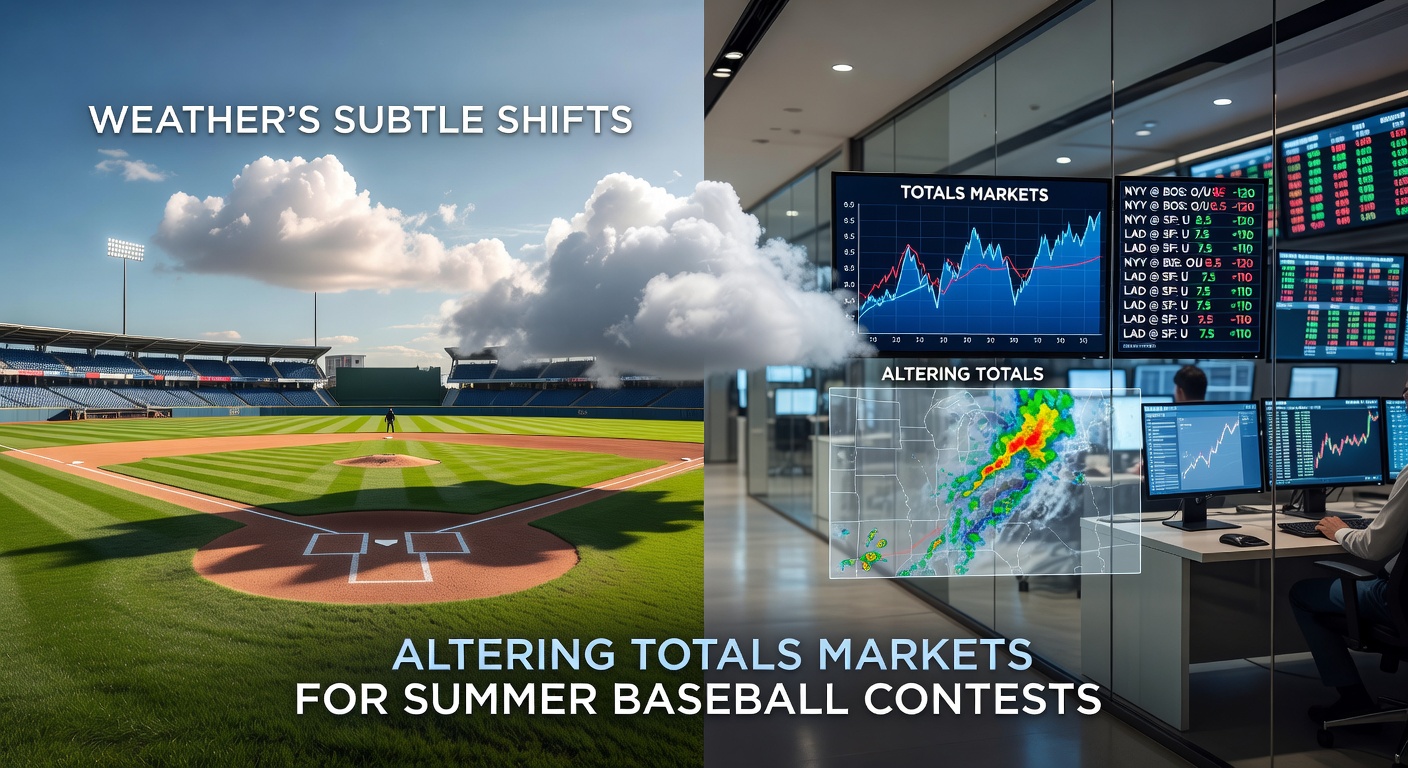
Subtle shifts in temperature, wind, and humidity reshape run production during summer baseball contests, and these changes directly alter totals markets as oddsmakers incorporate forecast data into their lines. Observers note that even modest variations in atmospheric conditions can increase or suppress scoring by several runs over the course of nine innings, which in turn moves the over-under numbers that bettors encounter. Research from meteorological agencies shows that air density decreases as temperatures climb, allowing batted balls to travel farther and raising the likelihood of extra-base hits and home runs in afternoon and evening games alike.
Studies conducted by the National Centers for Environmental Information indicate that games played when temperatures exceed 85 degrees Fahrenheit produce roughly 0.8 additional runs per contest compared with cooler evenings in the same ballparks. Those figures reveal why sportsbooks adjust totals upward when long-range forecasts call for heat waves across the Midwest and Northeast during July and August. Data from recent seasons also demonstrates that high humidity levels, often above 70 percent, add resistance that can shorten fly-ball distances and keep scoring closer to seasonal averages even on warm days.
Wind Direction and Its Role in Altering Scoring
Wind patterns exert another measurable influence on fly balls and line drives, particularly at stadiums with open outfield alignments. A steady breeze blowing out toward the fences can add 10 to 20 feet to well-struck balls, while a headwind from the outfield tends to keep more drives in play for outfielders. Meteorologists tracking these conditions report that consistent 10-mile-per-hour tailwinds correlate with a 12 percent rise in home-run totals during summer months. Bettors who monitor these forecasts often see totals markets open at higher numbers on windy days and then adjust as updated models refine the expected conditions.
Coastal venues experience additional variability because sea breezes develop in the late afternoon and shift direction across the diamond. Such changes frequently occur between the fifth and seventh innings, creating situations where early-game scoring outpaces late-inning production or vice versa. Analysts who compile play-by-play data alongside hourly weather observations have documented these intra-game swings and note their effect on live totals betting activity.
Humidity, Barometric Pressure, and Precipitation Forecasts
Atmospheric pressure readings also factor into run-expectancy models that sportsbooks maintain. Lower pressure systems, common ahead of summer thunderstorms, coincide with slightly higher scoring because the thinner air again permits greater ball carry. Conversely, stable high-pressure ridges tend to suppress offense and push totals downward. Forecasters from Environment Canada have supplied comparable pressure and humidity data for cross-border series, allowing oddsmakers to refine lines for games in Toronto and nearby U.S. cities where conditions overlap.
Precipitation forecasts introduce further complexity because rain delays or postponements can shorten games or force them into extra innings the following day under different weather. When models indicate a 40 percent or greater chance of measurable rain after the sixth inning, totals lines sometimes drop by half a run as the probability of a full nine-inning contest declines. Historical records compiled by the National Weather Service confirm that such adjustments have become more precise as forecast accuracy improved over the past decade.

Market Adjustments and Bettor Response in May 2026
By May 2026, improved ensemble forecasting models are expected to give sportsbooks even earlier signals about temperature spikes and wind shifts for the upcoming summer schedule. Early projections already suggest that several Midwest ballparks may experience above-average temperatures during the first extended heat wave of the season, prompting initial totals to open higher than the previous five-year average. Those who track line movements observe that sharp bettors often place early wagers on overs when such forecasts appear, forcing sportsbooks to respond with incremental adjustments before first pitch.
Regional climate summaries released in early 2026 highlight the increasing frequency of prolonged warm periods across traditional baseball markets, and these patterns feed directly into the run-production algorithms used by professional handicappers. As a result, totals markets for July and August series continue to reflect the cumulative effect of these environmental variables rather than relying solely on team offensive statistics.
Conclusion
Weather data now forms an integral component of the totals pricing process for summer baseball contests, and the integration of temperature, wind, humidity, and pressure readings produces measurable shifts in the lines that reach the public. Continued refinement of forecast models through 2026 promises even tighter alignment between expected atmospheric conditions and final scoring outcomes, ensuring that these environmental factors remain central to how markets evaluate run totals throughout the season.